Picking up a coloring book as an adult can feel a little unfamiliar at first. There are no rules, no grades, and no pressure to make something impressive. That low-stakes quality is exactly what makes it work so well as a stress relief tool. When your attention narrows to choosing a color and staying inside a line, the mental chatter that follows you through a busy day tends to quiet down on its own.
Coloring works because it asks just enough of your brain to pull focus away from worry without demanding the kind of effort that creates more stress. It is accessible in a way that formal meditation or yoga might not feel, especially if you are new to intentional relaxation practices. You do not need a studio, a subscription, or any special skills to start.
This guide is designed to help you find a coloring book that actually fits your life, whether you are looking for a quick daily reset, a screen-free activity for your kids, or a gift for someone who could use a little calm. Browse what suits you on our site.



How Coloring Supports Calm And Focus
Coloring does not just pass the time. It gently shifts the way your brain is working, moving you away from anxious thinking and toward a quieter, more present state. The mechanics behind that shift are worth knowing, because they explain why even a few minutes with colored pencils can genuinely change how you feel.
Mindfulness Through Repetition And Attention
Mindfulness, at its core, means paying attention to what is happening right now instead of replaying the past or rehearsing the future. Coloring creates that condition naturally. When you are deciding where one color ends and another begins, your attention is anchored to the page in front of you.
The repetitive motion of filling in an area is part of what makes this work. Research suggests that rhythmic, repeated physical actions have a calming effect on the nervous system, similar in some ways to the effect of meditation or slow, paced breathing. You do not need to frame it as a mindfulness practice for it to function like one.
Why Simple Creative Tasks Ease Mental Overload
When your mind is overloaded, adding a complex challenge rarely helps. Simple creative tasks work differently. They engage enough cognitive attention to interrupt a cycle of anxious thoughts without adding another layer of pressure or difficulty.
Coloring fits this profile well. Choosing between a warm yellow and a soft orange is a real decision, but it carries no consequences. That gentle engagement gives your prefrontal cortex something calm and manageable to focus on, which can reduce the kind of mental noise that builds up during a long workday or difficult week.
How Coloring Encourages A Gentle Flow State
Flow is a state where you are fully absorbed in an activity and lose track of time in a comfortable way. Coloring can lead you there more easily than many other activities because the skill level required and the challenge presented tend to stay in close balance, especially with well-designed, accessible pages.
You are not bored, and you are not overwhelmed. You are just coloring. That middle ground is where the real mental relief tends to happen, and it is one reason that people who sit down for ten minutes often find themselves still at it an hour later.
What To Look For In A Relaxing Coloring Book
Not every coloring book will give you the same experience. The design, theme, and physical quality of the book all shape how the session feels from start to finish. A few practical factors are worth weighing before you buy.
Simple Designs Vs. Intricate Patterns
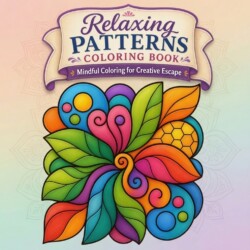
Intricate patterns, like densely detailed mandalas or fine botanical illustrations, can promote deep focus, which works well if you want a longer, more absorbing session. The tradeoff is that they can also feel intimidating when you are tired or new to coloring.
Simpler designs, with bold outlines and open areas, tend to feel immediately approachable. You can pick them up for a few minutes and put them down without feeling like you left something unfinished. For most people starting out, especially those using coloring specifically for stress relief, simpler pages are the better starting point.
Themes That Feel Comforting And Engaging
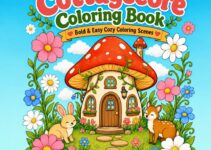
The subject matter matters more than it might seem. A theme you genuinely enjoy makes it easier to settle in. Animals, nature scenes, seasonal imagery, and cozy everyday settings tend to feel warm and inviting without requiring any particular interest in abstract art or geometric pattern work.
Cute animal illustrations, in particular, carry an almost automatic comfort quality. There is a reason so many beginner-friendly coloring books, including cozy animal-themed titles like those from VRA Books, feature puppies, bunnies, and backyard creatures. The imagery itself is part of what makes the experience feel restful.
Paper Quality, Single-Sided Pages, And Tool Compatibility
Thin paper and double-sided printing can turn a relaxing session into a frustrating one. When ink or marker bleeds through onto the next page, it is distracting and discouraging. Single-sided pages solve this problem and give each finished page a cleaner, more satisfying result.
Thicker paper also expands your options. If you want to use gel pens, markers, or colored pencils interchangeably, the paper needs to handle that without feathering or tearing. Looking for books that explicitly state single-sided printing and compatibility with multiple tools will save you the disappointment of finding out after the fact.
Choosing The Right Book For Different Ages And Needs
A coloring book that works beautifully for one person can feel completely wrong for another. Age, stress levels, experience, and purpose all shape what kind of book will actually get used. Matching the book to the person is the most important step.
Adults And Teens Seeking Stress Relief
Adults and teens generally benefit most from books that have enough visual interest to hold attention without being so detailed that they feel like work. Pages with moderate line weight, clear outlines, and themes that feel personally resonant tend to get the most use.
Animal themes, nature, and cozy everyday scenes tend to land well for this group. Single-sided pages are especially important when using markers or gel pens, which are popular with teens. For adults specifically, books designed around simple, calming imagery rather than complex pattern work tend to encourage the kind of slow, unhurried sessions that actually relieve stress.
Kids Who Benefit From Quiet, Screen-Free Activities
For children, the best coloring books feature large, bold illustrations with thick outlines that are easy to fill in with crayons or chunky markers. Young children aged three to eight do especially well with clear, familiar subjects like animals, vehicles, and outdoor scenes.
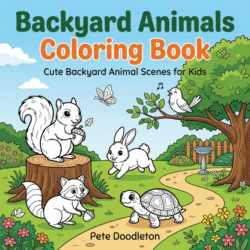
The goal for this age group is less about mindfulness and more about focused, quiet engagement that builds fine motor skills and supports imaginative play. A book like the Backyard Animals Coloring Book, which features 42 large illustrations of bunnies, turtles, bees, and fawns on single-sided pages, is a good example of what works well for young children. Thick lines, familiar subjects, and durable pages make all the difference.
Beginners Vs. Experienced Colorists
If you are new to coloring, start with books that have bold lines and open areas. The goal is to make it feel easy from the first page, so you actually come back to it. Worrying about whether you are doing it right defeats the entire purpose.
Experienced colorists often seek more detail, layering opportunities, and complex shading challenges. For them, fine line work and dense pattern illustrations offer more to engage with. That said, even experienced colorists often keep simpler books on hand for days when they want to unwind without effort rather than practice a skill.
Best Times And Ways To Use Coloring As A Mindful Practice
Coloring is flexible enough to fit into almost any part of your day, and the context in which you use it changes how much you get out of it. Short sessions during stressful moments and longer, more intentional sessions during downtime both have their place.
Quick Resets During Busy Days
Coloring is one of the few relaxation tools you can actually use in fifteen minutes. A short session during a lunch break, between work calls, or after a stressful task can shift your mental state noticeably. You do not need to commit to a long block of time for it to be worthwhile.
Keep a book and a small set of colored pencils or markers somewhere accessible, not tucked away in a drawer. The easier it is to pick up, the more likely you are to use it as a genuine reset rather than a once-a-month activity.
Evening Wind-Down And Weekend Relaxation
Evening coloring sessions work particularly well as a way to transition away from screens before bed. The soft focus required, combined with the absence of notifications and decision-making, helps your nervous system shift into a quieter gear.
Weekend coloring has a different, more leisurely quality. Longer sessions with a cozy drink, comfortable seating, and no particular timeline are where many people discover just how absorbing and genuinely restful coloring can be. Choosing a theme you love for these sessions, something warm and familiar, deepens the effect.
Family Time, Classrooms, And Travel
Coloring works across generations in a way that few activities do. Adults and children can sit together with the same book or each have their own, working side by side in a relaxed, low-pressure environment. It requires no instruction and no competition.
In classrooms, coloring supports focus and offers a calm sensory activity between more demanding tasks. For travel, a lightweight coloring book and a small pouch of pencils or markers is one of the most practical and screen-free ways to manage the restlessness of long car rides, flights, or waiting rooms. Books sized for easy carrying make this especially convenient.
Tools And Setup That Make The Experience More Soothing
The right tools and environment do not make or break a coloring session, but they do affect how comfortable and enjoyable it feels. A few small adjustments can make a noticeable difference.
Colored Pencils, Markers, Crayons, And Gel Pens
Each type of tool creates a different experience. Colored pencils offer the most control and work well for blending and shading. They are quiet, low-mess, and beginner-friendly. Markers produce bold, vivid color with minimal effort, which can feel satisfying and quick. Crayons are the most approachable tool, especially for children, and hold up well on thicker paper. Gel pens add a bright, almost shimmery quality that many people find particularly enjoyable.
Most quality coloring books are designed to work with all of these. Checking that the book you choose explicitly supports your preferred tools helps avoid frustration, especially with markers and gel pens that can bleed through thinner paper.
Creating A Cozy, Low-Pressure Coloring Space
Where you color matters in a quiet, practical way. Good lighting, a flat surface, and a comfortable seat make sustained sessions more enjoyable. Natural light or warm lamp light is easier on the eyes than overhead fluorescents.
Keep your tools organized but not precious about it. Part of what makes coloring restful is that it carries no performance pressure. A small tray or pouch for your pencils and pens is enough. You do not need an art studio setup to make the practice feel intentional.
Tips To Prevent Bleed-Through And Frustration
Bleed-through is the most common coloring frustration, and it is almost entirely avoidable. Start by choosing books printed on single-sided pages with thicker paper stock. When using markers, place a spare sheet underneath your coloring page as extra protection.
Testing a new pen or marker on a corner or a separate piece of paper before using it on a finished page is a habit worth developing. With gel pens especially, letting each layer dry slightly before adding more color prevents smearing. Small habits like these keep the experience feeling smooth rather than error-prone.
How To Find A Book You Will Actually Keep Using
The best coloring book is one you actually open. That sounds obvious, but it is worth thinking about, because many coloring books get purchased, used once, and forgotten. Matching the book to your genuine preferences from the start makes consistent use much more likely.
Matching Style, Subject, And Mood
Think honestly about what kinds of images make you want to sit down and pick up a pencil. If floral mandalas feel cold or impersonal to you, they will not draw you back. If cute animals, cozy scenes, or nature imagery feel warm and appealing, lean into that.
The style of the line work matters too. Bold, clean outlines feel welcoming. Fine, dense patterns feel challenging. Neither is better in absolute terms, but one will suit your current mood and energy level better than the other. Trusting that instinct rather than buying what looks most artistic or impressive tends to lead to books that actually get used.
Gift-Friendly Options For Animal Lovers And Creative Hobbyists
Coloring books make genuinely thoughtful gifts, especially for people who enjoy quiet, creative downtime. Animal-themed books tend to have the broadest appeal because they do not require any particular artistic background to enjoy.
For gift-giving, look for books that feel complete and intentional as physical objects: clean covers, quality paper, a clear theme, and a range of illustrations. Puppy and backyard animal books work well for birthdays, holidays, Easter, and everyday gifting. Pairing a book with a small set of colored pencils or gel pens makes the gift feel ready to use immediately.
Why Cute, Easy-To-Color Pages Appeal To More People
There is a reason approachable, friendly imagery consistently draws in more casual colorists than complex pattern work. Cute, easy-to-color pages remove the barrier of feeling like you need to be skilled or patient enough to attempt them. They are inviting from the first glance.
Books featuring cheerful animal characters with bold outlines and open areas, the kind found in cozy, beginner-friendly titles from brands like VRA Books, tend to get pulled off the shelf more regularly than intimidating, technically demanding alternatives. Accessibility is not a compromise on quality. It is what makes a coloring practice feel sustainable over time.